


This article gives the headlines of valuable research carried out by Benjamin Margetts. If you want to know more, his email is at the bottom of this piece.
What makes a school culture truly positive? My research began with a simple premise: ask the young people themselves.
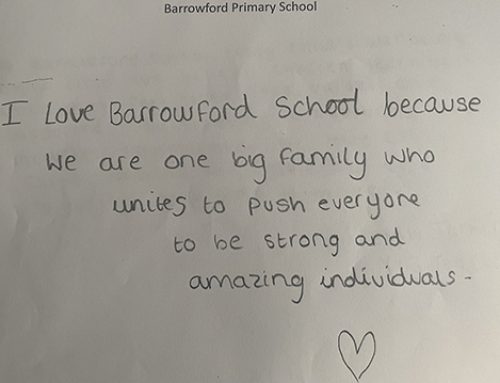
Across multiple secondary schools, Year 7 students described culture not as a slogan on a wall, but as something they experience in everyday interactions — in classrooms, corridors and friendships. They spoke about feeling safe enough to make mistakes, respected by adults, included by peers, and listened to when something mattered to them. Where these conditions were present, confidence and engagement tended to grow. Where they were inconsistent, positivity felt fragile.
One important finding is that school culture is not a single, fixed thing. The same school can be experienced very differently by different students. Policies, routines and behaviour systems do not operate in a vacuum; they are interpreted and lived by young people in diverse ways. This means that improvement efforts must look beyond surface initiatives and attend to relationships, fairness and voice in everyday practice.
Perhaps most importantly, young people are not passive recipients of culture. They actively shape it — through their responses, relationships and contributions. Schools that create meaningful opportunities for student voice and partnership are more likely to cultivate cultures where belonging, agency and well-being can flourish.





Leave A Comment
You must be logged in to post a comment.